Securing your business property, safeguarding valuable inventory, and maintaining a professional perimeter are top priorities for any commercial enterprise.
Whether you operate a sprawling industrial warehouse, a corporate office park, or a retail establishment, investing in a sturdy perimeter barrier is a major operational decision.
Embarking on a commercial fence installation requires careful planning, adherence to local regulations, and the selection of appropriate materials to ensure long-term durability. To help you navigate this project successfully, below are six critical factors to consider before moving forward.
Assessing Security Requirements and Purpose
Before requesting quotes or evaluating contractors, you must clearly define the primary objective of your commercial fence installation.
Different businesses require varying levels of security; a high-security facility storing expensive equipment will need heavy-duty galvanized steel or automated access control gates, whereas a retail park might prioritize aesthetic appeal and low boundary demarcation.
Understanding your specific security vulnerabilities ensures that the final design meets your operational needs without unnecessary expenditure.
Choosing the Right Materials for Durability
The longevity and maintenance requirements of your perimeter barrier depend heavily on the materials you select during the planning phase.
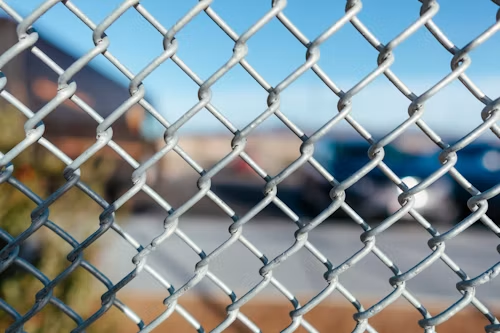
Common options for a commercial fence installation include chain-link for cost-effective security, ornamental iron for professional elegance, and vinyl or wood for privacy.
Evaluate local weather conditions, rust resistance, wind load tolerance, and expected wear-and-tear to choose a material that will withstand environmental elements and maintain its structural integrity over time.
Navigating Zoning Laws and Regulatory Compliance
Commercial properties are subject to strict municipal zoning laws, building codes, and property line regulations that dictate allowable fence heights, setbacks, and materials.
Failing to secure the proper permits or violating local ordinances can result in costly fines or the mandatory removal of your new barrier.
Working with experienced contractors who understand compliance requirements ensures your commercial fence installation adheres to all legal standards and avoids unnecessary bureaucratic delays.
Establishing a Realistic Budget and Cost Analysis
Financial planning is a fundamental aspect of any commercial enterprise improvement project. When budgeting for your commercial fence installation, look beyond the initial upfront material and labor costs to calculate the total cost of ownership, including future maintenance, rust treatment, and potential repairs.
Request detailed, itemized quotes from multiple contractors to compare pricing structures, warranty offerings, and payment terms, ensuring you secure the best value for your capital investment.
Selecting an Experienced and Licensed Contractor
The quality of the workmanship during your commercial fence installation is just as important as the materials you purchase. Always verify that your chosen contractor holds proper state licensing, general liability insurance, and worker’s compensation coverage.
Review their portfolio of past commercial projects, check independent client references, and confirm their reputation for completing projects on time and within the agreed-upon financial estimate.
Planning for Future Access and Operational Flow
A well-designed perimeter should enhance your daily business operations rather than creating bottlenecks for employees, delivery trucks, and visitors.
During the design phase of your commercial fence installation, strategically plan the placement of pedestrian gates, vehicular access points, automated security barriers, and emergency exits.
Ensuring seamless traffic flow guarantees that your new physical security measures protect your assets while maintaining operational efficiency for your daily business activities.